Introduction
I have been writing recently about Exposure & Response Prevention (ERP). While I will continue to write more about ERP in the future, for today I would like to focus on a different topic. That of the approaching winter (for those of us in the northern hemisphere anyway), and about how I plan on ensuring that my winter lifestyle is good for my mental health.
In this article, I will be talking about my plans for over the winter. My goal is to both maintain and advance the progress I have made so far this year with my OCD, as well as to try and really get on with my life, in the way that I want to be living it, and to enjoy myself and have fun (which is something that I can all too easily overlook among all of the rest of my concerns). I will therefore be talking about what I am hoping for from my winter lifestyle, and how I think I can help myself to achieve this.
As always, nothing you read here should be taken as medical and/or professional advice. For more information on this you can check out the site’s disclaimer. I will also provide links to sources that can provide more information, where I think it would be helpful.
Do I enjoy the Winter?
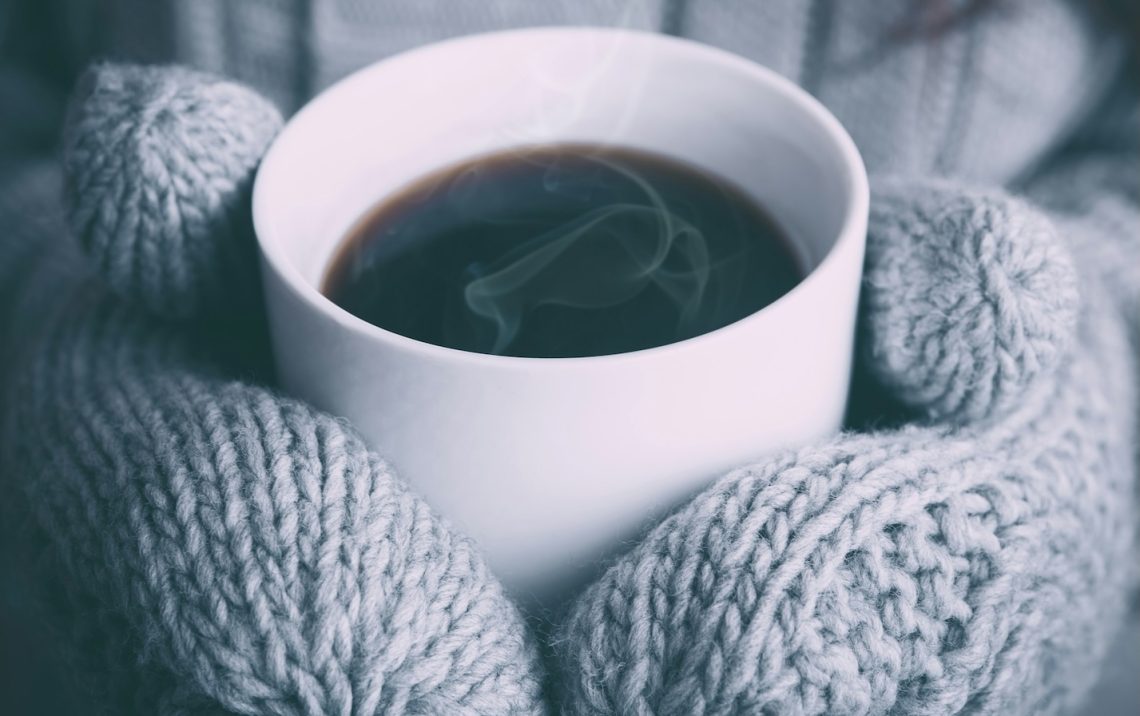
The first thing I want to say is that I don’t actually dislike winter. In fact I would go as far as to say that I quite like it. Or at least I like to think that I do. I like the idea of the winter lifestyle at least: of things like huddling under a blanket on a cold day, or reading on dark and cosy nights.
I can continue to do productive things as well, so it is not like my life has to come to a halt. I also have hobbies I can do inside, that can make up for the things I can’t do so much in winter. I also like the sense of sanctuary that winter provides as well. That feeling of being safe from the world around me, and that I am outside of the expectations to do things. It seems to soothe certain aspects of both my (often overstimulated) mind and of my OCD, thereby helping me to relax.
So while it does become harder to do certain things, such as spending time outside, I am not sure that I ‘should’ dislike winter, all things considered.
Despite this though, I also know that in the coming months, as the seasons change, and the weather becomes colder, and the days shorter, I will likely start to become vulnerable at times, in a way that I haven’t really been during the warmer, lighter months that have come before. Despite my supposed liking for winter then, there does still seem to just be a bit more tolerance for ‘error’ in the summer before I begin to feel a bit low, and an underlying boost to my mood, as compared to during the winter.
So while I am hopeful that the progress I have made will help, and I wouldn’t say that I am dreading the winter in any way, I also want to be careful to ensure that I keep up the positive changes I have made, that I do not start to stagnate, and that I don’t slip backwards at all. I also want to keep my vulnerabilities to a minimum, and be proactive in addressing any problems that may arise.
Beyond that though, I would like to make the most of winter. I would like to enjoy it, and, as far as is possible, I would like to continue to make progress, through the winter and beyond, both in my life in general, and with my mental health specifically.
Why can Winter cause problems?
The first reason why winter can cause problems is the inherent nature of the season. Less sunlight, darker days, and cold weather can all contribute towards lower moods, and lower energy. This is especially the case for people with Seasonal Affective Disorder (SAD), but can also be the case for those without it as well, albeit in a more muted way.
As I have mentioned before, and almost certainly will continue to mention, I really don’t like the idea that external things such as the temperature, or length of the days can impact upon my mood. I don’t like the ‘lizard brain’ element of it. But, again I have to concede that whether I like it or not, it does seem to be the case. On those first warm and sunny days of spring, for instance, a weight does seem to be lifted off of my mind, that I may not have even noticed was there to begin with.
However, just because the winter comes with its challenges, that is not to say that my having a bad winter is an inevitability, because it absolutely isn’t. This is not only because these negatives can be mitigated or compensated for, but also because (for me at least) a large part of these problems are, in the first place, down to lifestyle factors, rather than purely being a result of the season itself.
It is all too easy in winter to simply stop doing things, to instead do the minimum, and start to retreat into yourself. Things get dropped from my routine/habits, including those things that do me good, for instance things such as getting a bit of exercise, or going outside and socialising, or just being around and seeing other people. I don’t make the time to do the things that I enjoy, and give me a sense of fun and excitement. While the sense of isolation that winter provides may calm my mind in certain ways, actually becoming isolated is not good for me at all.
One of the reasons why those first spring days feel so good, beyond just the weather (which is no doubt still a benefit in itself), is because I am going outside on them, and either having a walk around, or doing a few outside jobs. If I just stayed inside on them, then I probably wouldn’t have noticed that much of a difference, as I am sure has been the case on some of those days, that I have instead allowed to pass me by unnoticed. Yes of course this is much easier (and more enjoyable) on the nicer days, but doing it in winter would still do me good.
Stopping doing things can start to compound. This is because doing less can cause me to feel more tired, and lowers my self esteem, and generally lowers my mood. This in turn makes it harder for me to get up the energy and motivation to do things and so on. My OCD then provides an added complication on top of this, as a lower mood leads to more thoughts, which can lower my mood further (especially if I find myself responding to them, which is much harder to avoid when I am feeling low), with the OCD thoughts also sometimes creating distractions and tangents, to me getting on with my life, which I have to overcome.
This can all result in a negative spiral, which while it will end after a while (despite how it may feel at the time), as it always has done in the past, would nevertheless be far nicer to avoid in the first place.
What do I need to be on the lookout for?
One problem I have is that of sudden lows. These seem to occur when issues such as being hungry, cold, or tired, build up unnoticed, and then lead to a seemingly sudden mood crash. I have spoken about this before, and about how for me it is particularly common in the evenings. It is absolutely worth noting what things can cause this for you, and to see if there are certain times of day when you are more vulnerable, and to try to implement lifestyle/routine changes to mitigate this.
Another issue I can have is that of a more gradual change of my general mood drifting lower over time. This can occur as a sinking back into bad habits, or, more scarily for me, a seemingly unexplainable slide downwards, that I seem unable to stop (but despite this fear has always stopped sooner or later). This is slower to take hold, but also seems longer lasting and is harder for me to break out of. It can occur even when I feel like I am doing things right, but that doesn’t mean there aren’t reasons for it, and ways in which it can be mitigated or avoided.
Whether it is either of these, or just a generally lower mood, or whatever else may occur, whenever I am in a lower mood, it is important that I am aware that they cause more thoughts, and that these thoughts seem more ‘real’, than they otherwise would. The reason why this is important to remember, is so that I can ensure that I continue to see them as being OCD thoughts that don’t require inspection, or engaging with in any other way either.
This is so that even when I do get low, it is important that I do not then start to give in to my compulsions. This is because giving into the compulsions will exacerbate this low mood, and fuel further thoughts and low moods. Knowing where I am right now, I am sure that there will still be times when I do give in, but I should work to reduce these. It is also worth remembering that when I do slip up, that doesn’t mean all is lost. It doesn’t mean that all of the progress I have made is all instantly undone. Instead, I can pick myself up and try to do better next time.
Ideally though, I would like to avoid these low points occurring in the first place. So what can I do to help myself this winter?
Embrace the positives of the winter lifestyle
The first thing I can do is to lean into the things about the winter lifestyle that I do genuinely like. The hobbies, the cosiness/sense of sanctuary, and other such things. I shouldn’t see winter as only being a negative thing, that I should dread, but as being an opportunity to do things that I enjoy, that just also happens to come with some potential negatives that I do need to be aware of, and protect against. But those negatives don’t mean that I can’t enjoy myself and have a good winter, because I can.
I will therefore come up with some hobby projects to do, as well as to make a conscious effort to set time aside to do the things that I enjoy, but that require a bit of effort to form regular habits out of, as is the case with reading, for example.
Another positive is the dark, and seeing the lights in it, which is a combination that relaxes my mind. It being dark outside can often cause me to feel at peace, calming my often overactive mind, while late at night is a time when I am more vulnerable. As such, the early sunsets in winter can create a nice sweet spot for me to experience the best of both worlds. This may only be a small thing, but it is well worth stopping to notice the benefits, and remind yourself of them.
Now that is not to say that fewer hours of daylight can’t cause problems for my ‘lizard brain’, because it very well might, but there are also advantages to it, which I should make an effort to embrace.
Keep on doing things throughout the winter
The second thing that I should do, is to ensure that I am making a real effort to keep doing things, especially those that I think do me good. I have made a lot of progress towards doing more things this year, and I am determined not to slip backwards on that this winter.
This includes doing things that are productive, as they give me a sense of achievement and self-worth, and help me to improve my life. It also includes things that are good for my mental and physical health, such as exercise, but, just as importantly, it also includes doing the things that I enjoy, such as hobbies.
Doing the things that I enjoy, and having fun, is of course a good thing in itself, but is more than that. It is not just a selfish indulgence, as my brain may tell me. It is beneficial, being good for both my mood, and for my OCD. This is because, by showing my brain that I ‘deserve’ the chance to enjoy myself, and that I am able to live my life the way that I want to, I am undermining what my OCD tells me. It also raises my mood and energy levels, allowing me to be more productive as well, so it is certainly not a ‘lazy’, ‘self-indulgent’, or ‘undeserved’ thing for me to do.
Doing all of these things is more important than ever in winter, and can also be harder to maintain. For instance in the winter I will have to make a conscious effort to exercise (including by going for more walks), in order to do what in the summer I was probably just doing as part of my everyday life, without really even having to try.
I shall therefore try to be more organised with this, by making lists of things I want to do/achieve, and to then ensure that I am being disciplined, within reason of course, as sometimes I may not be up to doing things, and I also shouldn’t stress myself out or push myself too much. I should live my life as I see best, but without allowing myself to withdraw into myself too much, or to become too stuck in a rut.
Mitigating the downsides of winter
The third thing to do is to do my best to mitigate the downsides of winter. One of the lowest hanging fruits here is to avoid Vitamin D deficiency. In the UK, for instance, research suggests that over 30% of people are deficient by the end of winter, with an even higher amount of people having levels that are low. This is higher still for those from a minority ethnic background.
It is also important to try and get as much natural light as you can, especially in the mornings. I also find that artificial light is also necessary, as spending too much time in dark rooms is not good for me. While I may sometimes like the darkness outside, too much darkness inside does not seem to be as well received by my body and mind. So even things such as putting on a lamp in the early evenings can be of benefit.
Finally, as much as possible, I try to avoid getting too cold. This is because being cold can have a negative impact on your general mood, which I have certainly found to be the case myself. That doesn’t mean I shouldn’t go outside, as going outside and getting light, fresh air and exercise is absolutely a good thing for me, it is just that I shouldn’t stay too cold for long, especially when I am inside, although I am well aware that this may be more difficult for some people depending on their circumstances.
Conclusion
Ultimately, while winter has its challenges, it also has benefits. I will therefore try to focus on the things that I enjoy about the winter lifestyle, and continue to do the things that do me good (which includes achieving things, as well as things such as exercise, and giving my mind times to relax and reflect, rather than being constantly stimulated).
I am therefore going to do my best to stay busy/active this winter, and make a real effort to do the things that I want to do, rather than allowing myself to slow down too much and become stuck in a wintry rut, as well as to go out of my way to notice and appreciate the positives that winter can provide.

